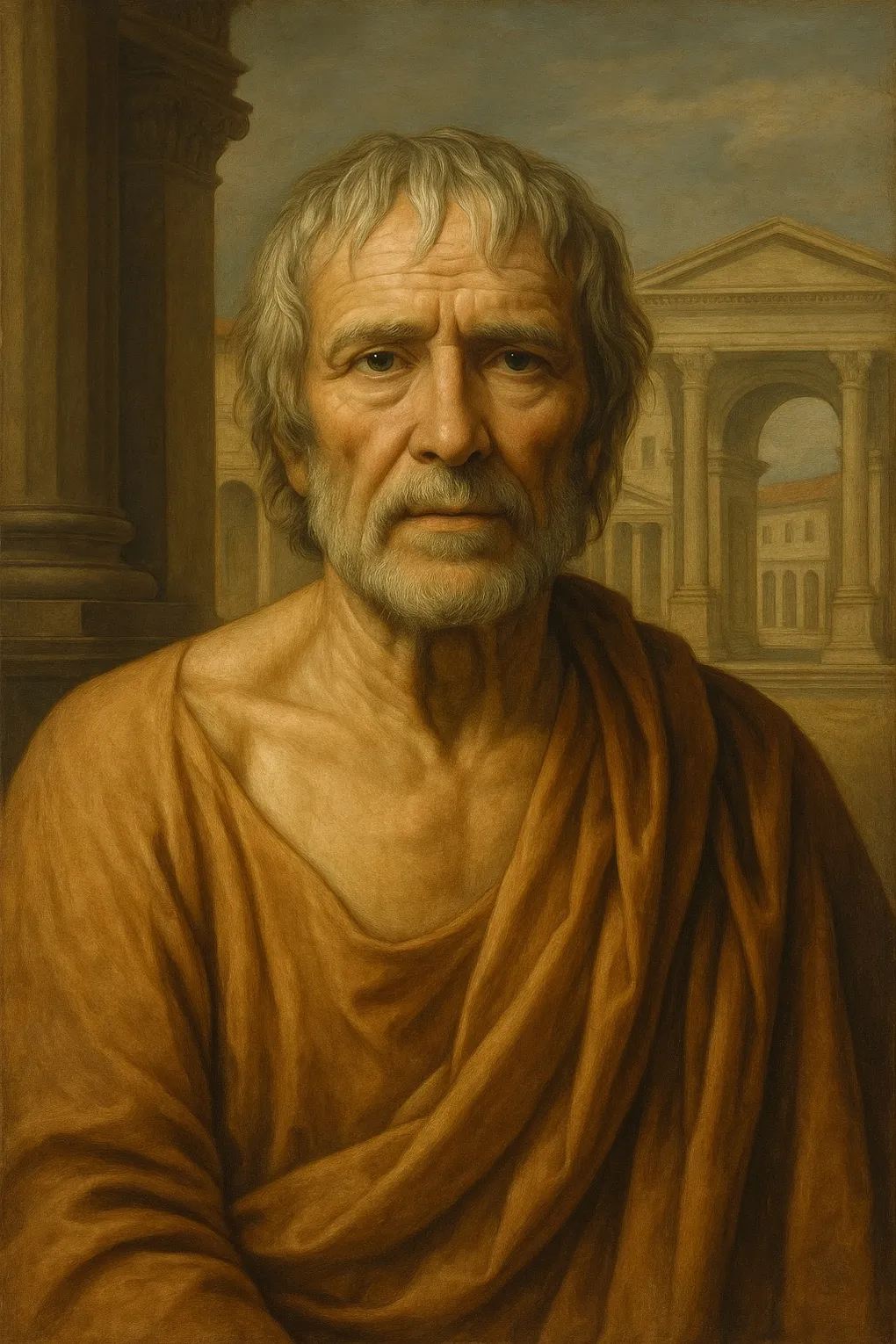
Seneca
Seneca is one of my favorite philosophers and possibly the most accessible and relevant philosopher of ancient Rome and today. A Stoic, statesman, and tutor to Emperor Nero, Seneca wrote extensively on how to live a good life amidst the chaos of politics, ambition, and human frailty. His essays and letters are filled with practical wisdom on topics like time management, anger, grief, and friendship.
What I appreciate most about Seneca is the approachability and relevance of his writing. There are so many resources online to read Seneca’s works for free, including this collection of his letters and his essay On the Shortness of Life. I highly recommend starting with these two works.
Seneca’s writing is direct and to the point, with a focus on practical advice rather than abstract theory. He emphasizes the importance of living in accordance with nature, cultivating inner virtues like wisdom and courage, and accepting the things we cannot control. His Stoic philosophy is not about suppressing emotions but about transforming them through reason and perspective.
One of Seneca’s most famous quotes is from On the Shortness of Life: “It is not that we have a short time to live, but that we waste a lot of it.” This idea resonates deeply in our modern world, where distractions and busyness often prevent us from living fully. Seneca urges us to prioritize what truly matters, to focus on meaningful activities, and to avoid the trap of endless pursuit of wealth or status.
Seneca’s insights on anger and grief are particularly relevant today. He advises us to view anger as a temporary madness that can be controlled through reason and reflection. Similarly, he encourages us to accept grief as a natural part of life, reminding us that death is inevitable and that we should cherish the time we have with loved ones.
Overall, Seneca’s philosophy offers a timeless guide to living a good life amidst the challenges of the human condition. His emphasis on practical wisdom, inner virtues, and acceptance of life’s uncertainties makes his work as relevant today as it was in ancient Rome. I highly recommend exploring Seneca’s writings for anyone interested in philosophy, self-improvement, or simply living a more meaningful life.